


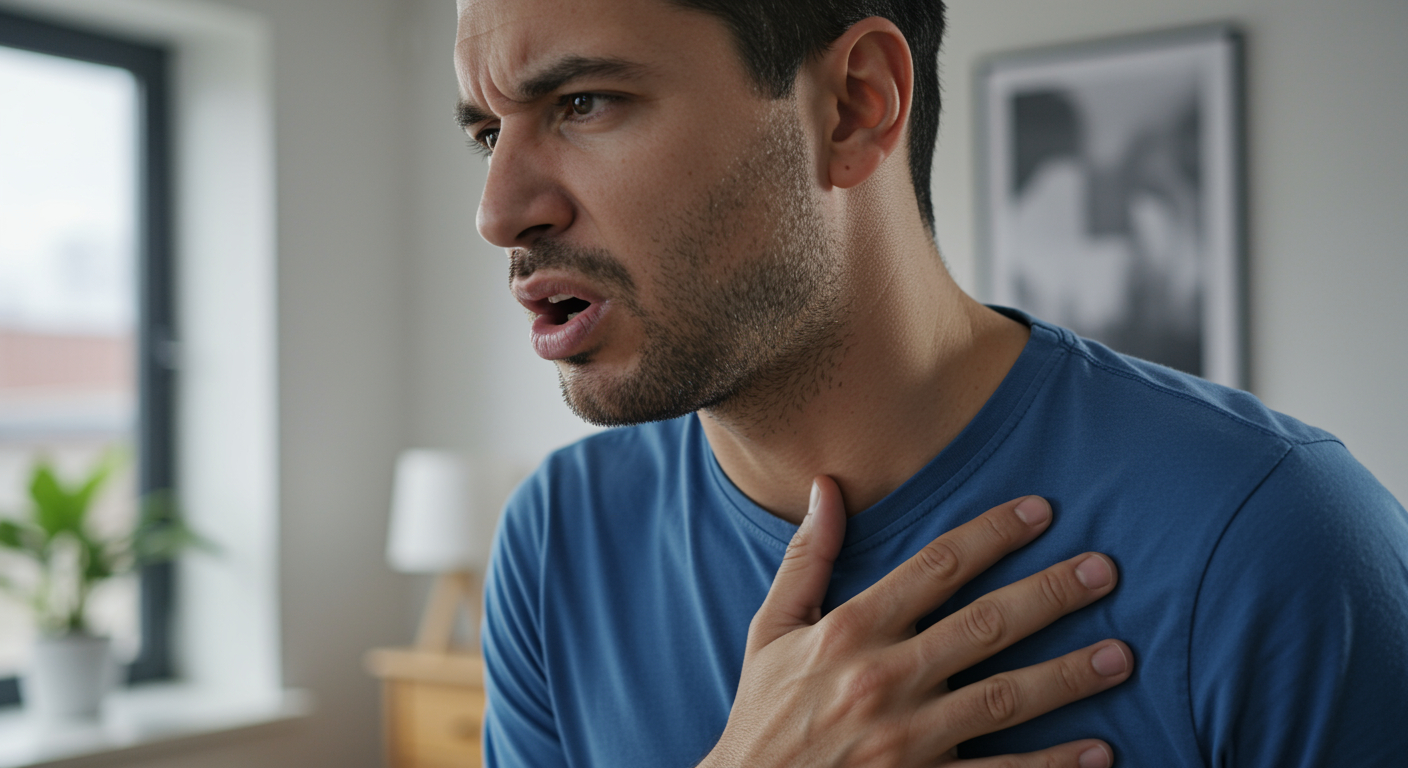
Chest pain when breathing can be a frightening experience, especially if it occurs suddenly or feels sharp. Many people describe it as a stabbing or tight sensation that worsens when taking a deep breath, coughing, or moving. While some causes are minor, others may require urgent medical attention.
Understanding the causes of chest pain when breathing can help you determine whether it is something harmless or a sign of a more serious condition.
What Is Chest Pain When Breathing?
Chest pain when breathing, also known as pleuritic chest pain, occurs when the tissues in your chest or lungs become irritated or inflamed. This type of pain is usually sharp and worsens with deep breathing.
The pain may come from different areas, including the lungs, muscles, ribs, or even the heart. Identifying the exact cause is important for proper treatment.
Common Causes of Chest Pain When Breathing
1. Muscle Strain
Overuse of chest muscles from exercise, coughing, or physical activity can lead to pain that worsens when breathing.
2. Costochondritis
This condition involves inflammation of the cartilage connecting the ribs to the breastbone. It can cause sharp chest pain when breathing or moving.
3. Respiratory Infections
Conditions such as bronchitis or pneumonia can irritate the lungs and airways, causing discomfort when breathing.
4. Pleurisy
Pleurisy occurs when the lining around the lungs becomes inflamed, leading to sharp pain during breathing.
5. Pulmonary Embolism
This is a serious condition caused by a blood clot in the lungs. It can lead to sudden chest pain, shortness of breath, and rapid heart rate.
6. Pneumothorax (Collapsed Lung)
A collapsed lung can cause sudden and severe chest pain when breathing and requires immediate medical attention.
7. Heart-Related Causes
Although less common, certain heart conditions may cause chest pain that worsens with breathing.
Symptoms to Watch For
Chest pain when breathing may come with other symptoms, including:
- Sharp or stabbing chest pain
- Shortness of breath
- Coughing
- Fever
- Rapid heartbeat
- Fatigue
When Should You Be Concerned?
You should seek immediate medical attention if chest pain when breathing is accompanied by:
- Severe or worsening pain
- Difficulty breathing
- Fainting or dizziness
- Chest tightness or pressure
- Pain spreading to arm, neck, or jaw
How Is It Diagnosed?
To determine the cause of chest pain when breathing, doctors may perform:
- Physical examination
- Chest X-ray
- Blood tests
- Electrocardiogram (ECG)
- CT scan
Treatment Options
Treatment depends on the underlying cause of chest pain when breathing.
1. Rest and Pain Relief
For muscle strain or mild inflammation, rest and over-the-counter pain relievers may help.
2. Anti-Inflammatory Medication
Used for conditions like costochondritis or pleurisy.
3. Antibiotics or Antivirals
Prescribed if a bacterial or viral infection is the cause.
4. Blood Thinners
Used to treat pulmonary embolism.
5. Emergency Treatment
Serious conditions like collapsed lung require immediate medical care.
Home Remedies & Prevention Tips
- Avoid heavy lifting or strenuous activity
- Maintain good posture
- Stay hydrated
- Avoid smoking
- Practice deep breathing exercises carefully
Is Chest Pain When Breathing Dangerous?
Not all cases are dangerous, but chest pain when breathing should never be ignored. While minor causes like muscle strain are common, serious conditions such as pulmonary embolism or lung collapse can be life-threatening.
When to See a Doctor
Consult a healthcare provider if:
- The pain persists for more than a few days
- You experience recurring chest pain
- You have underlying health conditions
- Symptoms interfere with daily life
Conclusion
Chest pain when breathing can range from mild discomfort to a sign of a serious medical condition. Understanding the causes and symptoms can help you respond appropriately. If you are unsure about your symptoms, it is always best to seek medical advice to ensure your safety.
Frequently Asked Questions
What causes chest pain when breathing?
It can be caused by muscle strain, infections, inflammation, or serious conditions like pulmonary embolism.
Is chest pain when breathing serious?
It can be, especially if accompanied by severe symptoms like shortness of breath or fainting.
How do I know if chest pain is from the lungs or heart?
Lung-related pain often worsens with breathing, while heart pain may feel like pressure or tightness.
Can stress cause chest pain when breathing?
Yes, anxiety and stress can cause chest discomfort and breathing difficulties.
When should I go to the emergency room?
If you have severe pain, difficulty breathing, or signs of a heart problem, seek emergency care immediately