


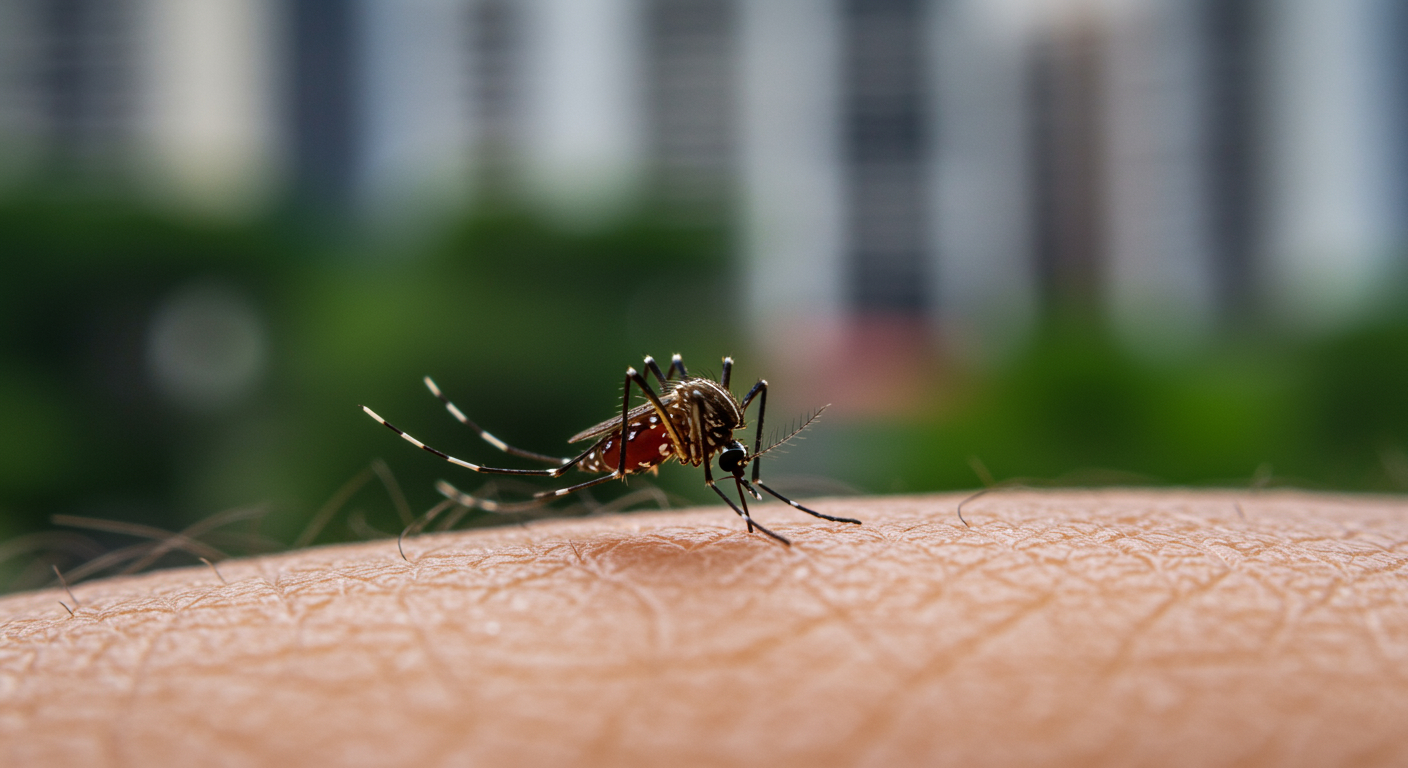
Dengue fever is a common and serious mosquito-borne illness in Malaysia. With the country’s warm and humid climate, dengue cases occur throughout the year, especially during rainy seasons. Understanding dengue symptoms Malaysia residents commonly experience is crucial for early detection and timely treatment.
Recognizing the symptoms early can help prevent complications such as severe dengue, which can be life-threatening if not treated promptly.
What Is Dengue Fever?
Dengue fever is caused by the dengue virus, which is transmitted through the bite of infected Aedes mosquitoes. These mosquitoes are most active during the daytime, especially in urban and residential areas.
In Malaysia, dengue is considered a major public health concern, with thousands of reported cases annually.
Early Dengue Symptoms Malaysia
The early dengue symptoms Malaysia patients experience usually appear 4 to 10 days after being bitten by an infected mosquito. These symptoms can often be mistaken for flu or viral infections.
Common Early Symptoms
- Sudden high fever (often up to 40°C)
- Severe headache
- Pain behind the eyes
- Muscle and joint pain (often called “breakbone fever”)
- Fatigue and weakness
- Nausea or vomiting
- Skin rash appearing a few days after fever
These early dengue symptoms Malaysia cases show can last for 2 to 7 days.
Warning Signs of Severe Dengue
After the initial fever phase, some patients may enter a critical stage. This is when dengue can become dangerous.
Warning Signs to Watch For
- Severe abdominal pain
- Persistent vomiting
- Bleeding gums or nose
- Blood in urine or stool
- Difficulty breathing
- Extreme fatigue or restlessness
- Sudden drop in temperature with worsening condition
If any of these symptoms appear, immediate medical attention is required.
Why Dengue Is Dangerous in Malaysia
Malaysia’s tropical climate creates the perfect environment for mosquito breeding. Stagnant water in urban areas, construction sites, and homes increases the risk of dengue transmission.
Additionally, people who have had dengue before are at higher risk of developing severe dengue if infected again with a different virus strain.
How Dengue Is Diagnosed
If you experience dengue symptoms Malaysia doctors may recommend:
- Blood tests to detect dengue virus
- Platelet count monitoring
- Hematocrit level checks
Early diagnosis is important to monitor disease progression and prevent complications.
Treatment for Dengue
There is no specific antiviral treatment for dengue, but supportive care is effective in most cases.
Common Treatment Approaches
- Rest and hydration (drink plenty of fluids)
- Fever management with paracetamol (avoid aspirin or ibuprofen)
- Regular monitoring of platelet levels
- Hospitalization in severe cases
Proper care can significantly reduce the risk of complications.
Home Care Tips for Dengue Recovery
If diagnosed early and symptoms are mild, recovery can be managed at home with proper care.
- Drink plenty of water, oral rehydration salts, or coconut water
- Eat light, nutritious meals
- Get enough rest
- Monitor symptoms daily
- Avoid self-medication without doctor advice
How to Prevent Dengue in Malaysia
Prevention is key to reducing dengue cases.
Effective Prevention Tips
- Eliminate standing water around your home
- Use mosquito repellents
- Install window screens
- Wear long-sleeved clothing
- Use mosquito nets if necessary
- Participate in community fogging programs
When to See a Doctor
You should seek medical attention immediately if:
- You have high fever lasting more than 2 days
- Symptoms worsen after fever subsides
- You notice any warning signs of severe dengue
- You feel weak or dehydrated
Early medical care can save lives.
Conclusion
Dengue remains a serious health concern, especially in Malaysia. Knowing the dengue symptoms Malaysia residents commonly face can help you act quickly and prevent severe complications.
By staying aware, taking preventive measures, and seeking timely medical care, you can protect yourself and your family from dengue fever.
Frequently Asked Questions
1. What are the first dengue symptoms in Malaysia?
The first symptoms usually include high fever, headache, joint pain, and fatigue.
2. How long do dengue symptoms last?
Most dengue symptoms last between 2 to 7 days, but recovery may take longer.
3. Is dengue common in Malaysia?
Yes, dengue is very common due to the tropical climate and mosquito population.
4. Can dengue be treated at home?
Mild cases can be managed at home with rest and hydration, but monitoring is important.
5. When is dengue most dangerous?
Dengue becomes dangerous during the critical phase, when warning signs like bleeding or severe pain appear.